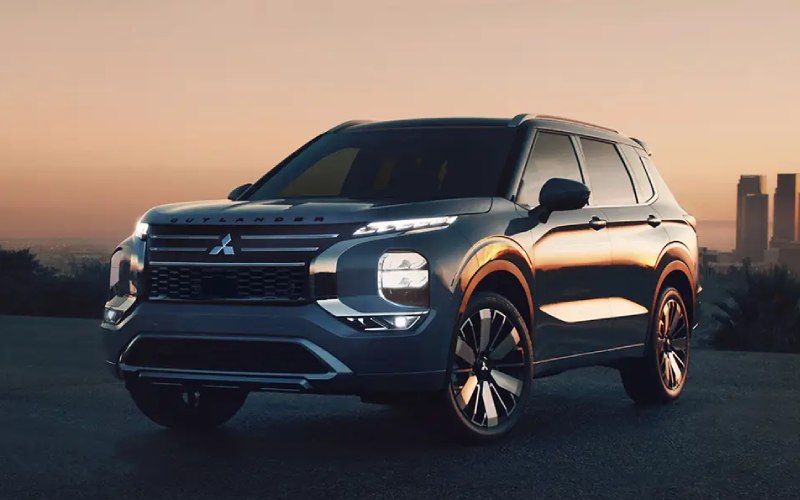
Toms River Mitsubishi - Mitsubishi S-AWC vs. Subaru Symmetrical AWD for Stop-and-Go Winter Commutes near Irvington, NJ
If your weekday runs include I-78 merges, stoplights along Springfield Avenue, and the quick swerve around fresh potholes after a nor’easter, you’re likely weighing Mitsubishi against Subaru for confident traction and daily convenience. At Toms River Mitsubishi, we help in-market shoppers from Irvington, South Orange, and Newark compare the brands where it matters most for North Jersey driving—slick mornings, sudden downpours, tight parallel parking, and weekend getaways that start at the Garden State Parkway.
Both brands have earned reputations for sure-footedness. Subaru popularized standard Symmetrical AWD across much of its lineup, while Mitsubishi’s Super All-Wheel Control (S-AWC) and All-Wheel Control (AWC) prioritize traction plus precise, predictable handling. The difference shows up on black-ice patches near the Parkway interchange or the wet steel-grate bridge you barely notice until the car twitches—Mitsubishi’s approach blends traction control with torque distribution and Active Yaw Control to help the vehicle rotate more naturally and feel planted when the road gets messy.
To keep this comparison practical for everyday Irvington life, we’ll focus on the brand-level experience in popular compact and small SUVs—Mitsubishi Outlander, Eclipse Cross, and Outlander Sport versus Subaru Forester and Crosstrek—and weave in electrified choices, driver-assistance tech, and parking aids that make a difference when space is tight and weather is unpredictable.
First, traction philosophy. Subaru’s Symmetrical AWD is a proven, balanced layout designed to keep power flowing to all four wheels. Many Subaru models add X-MODE drive settings for Snow/Dirt or Deep Snow/Mud. Mitsubishi’s S-AWC builds on AWD by proactively managing wheel torque side-to-side and front-to-rear, then layering in drive modes—such as Eco, Normal, Tarmac, Gravel, Snow, and Mud, depending on model—to optimize throttle response, transmission mapping, and yaw control for the surface you’re actually on. In simple terms, Subaru focuses on secure grip; Mitsubishi fine-tunes both grip and cornering stability so the SUV feels composed when you’re threading between lanes or easing off the throttle mid-corner near South Mountain Reservation.
Second, real-world flexibility. If carpool pickups, youth sports, or family visiting from out of town are in your weekly rotation, Mitsubishi Outlander stands out with an available three-row layout—something Subaru doesn’t offer in this compact class. That extra pair of seats comes in handy when plans change at the last minute, and folding them away keeps your cargo area open for groceries at the Irvington marketplace or luggage for a long weekend. Eclipse Cross and Outlander Sport deliver the tidy exterior dimensions many city drivers want, but with S-AWC or AWC confidence for winter commutes and rainy-day lane changes.
Third, electrification and everyday charging. Mitsubishi Outlander PHEV combines a gasoline engine with an advanced twin-motor electric drive, allowing EV-only commuting for many local errands and the flexibility of gas on longer trips. It also offers DC fast-charging capability, a rare advantage among plug-in hybrids—useful for topping up at public stations along major corridors. Subaru’s current alternative in this space is the Solterra EV for fully electric driving; for shoppers who want EV smoothness without planning every charge, the Outlander PHEV’s dual-power approach can be a compelling middle ground for Irvington-area living.
Parking and visibility matter as much as traction on dense neighborhood streets. Mitsubishi offers an available Multi-View Camera System on models such as Outlander and Eclipse Cross, providing a bird’s-eye perspective that makes threading into a tight curbside spot by the Irvington Bus Terminal more relaxing. Subaru offers a similar surround-view feature on select trims of certain models as well, along with excellent forward visibility; the difference is that Mitsubishi bundles a 360-degree top-down view broadly across popular trims, which many urban drivers appreciate the very first week they own the vehicle.
Driver assistance is another everyday equalizer. Mitsubishi’s available MI-PILOT Assist™ can help with lane centering and Adaptive Cruise Control with Stop & Go in traffic—exactly the kind of assistance that takes the sting out of the I-78 crawl. Subaru EyeSight Driver Assist Technology also delivers strong adaptive cruise and lane support. Both are excellent; in our experience, the tuning of MI-PILOT Assist™ feels especially natural in low-speed, start-and-stop congestion, and certain Outlander configurations add navigation-linked speed assist to help keep things smooth when the road curves.
Finally, ownership peace of mind. Mitsubishi backs its vehicles with a 10-year/100,000-mile Powertrain Limited Warranty for the original owner, a long-term confidence booster if you plan to keep your SUV beyond the first few years. Subaru’s powertrain coverage is commonly 5 years/60,000 miles. Add our service center’s factory training, genuine parts, and convenient online scheduling, and you have a straightforward path to keeping your Mitsubishi ready for winter weather and daily duties.
To make the brand-level differences even clearer for Irvington shoppers, here are focused highlights across common body styles and needs.
- All-weather traction: Subaru Symmetrical AWD emphasizes continuous grip; Mitsubishi S-AWC layers in Active Yaw Control and drive modes for composed cornering and confident acceleration on patchy ice.
- Snow-mode tuning: Subaru X-MODE adds Snow/Dirt and Deep Snow/Mud selections; Mitsubishi offers Snow, Gravel, Tarmac, and Mud modes (model dependent) to tailor steering feel, throttle response, and torque distribution.
- Seating flexibility: Subaru compact SUVs are two-row; Mitsubishi Outlander offers an available third row for on-demand seven-passenger versatility.
- Electrified choice: Subaru offers a fully electric Solterra; Mitsubishi Outlander PHEV blends EV driving for local errands with gasoline for trips—plus available DC fast-charging convenience.
- Urban maneuvering: Mitsubishi’s available Multi-View Camera System aids parallel parking on narrow Irvington blocks; Subaru offers a similar surround-view feature on select trims of certain models.
- Driver assistance: Subaru EyeSight and Mitsubishi MI-PILOT Assist™ both support daily commutes; MI-PILOT Assist™ shines in stop-and-go with smooth lane-centering feedback.
- Warranty confidence: Mitsubishi provides a 10-year/100,000-mile Powertrain Limited Warranty for original owners; Subaru’s typical powertrain term is 5 years/60,000 miles.
Now, if you’re deciding which brand fits your exact routine, consider these quick steps that mirror the questions we ask during test drives at our showroom.
- Daily route and weather: If winter traction and mid-corner stability on uneven pavement rank high, Mitsubishi’s S-AWC tuning delivers confidence for I-78 and Springfield Avenue commutes.
- Passengers and cargo: If you occasionally need seven seats, Outlander’s available third row is a brand-level advantage that eliminates the need to size up.
- Charging access: If you want electric driving without full-time charging commitments, Outlander PHEV’s dual-power layout may fit apartment living or shared-lot parking near Irvington.
- Parking comfort: If curbside parallel parking is part of daily life, prioritize trims with the Multi-View Camera System for a genuine stress reducer.
- Long-term plans: If you intend to keep your SUV for the long haul, Mitsubishi’s Powertrain Limited Warranty can be an ownership differentiator.
One more consideration for our region—ground clearance. Subaru typically leads here, which trail-goers appreciate. Mitsubishi counters with well-calibrated AWD systems and confident winter manners on paved, rough, and slushy routes. If your adventures include occasional gravel parking lots at South Mountain Reservation or snow-packed neighborhood streets, both brands handle it well; if you prioritize composed handling and refined assist in heavy traffic, Mitsubishi takes the lead for many shoppers.
Inside, Mitsubishi emphasizes modern connectivity and serene ride quality. Available Dynamic Sound Yamaha Premium audio in Outlander brings concert-like clarity to your favorite playlist during a late run down the Parkway. Cabin materials and seat support have a family-first feel, and the infotainment layout keeps smartphone integration within an easy reach—ideal for quick detours around closures or splashy intersections after a storm.
As you narrow your shortlist, our team at Toms River Mitsubishi will help you experience S-AWC or AWC in conditions that mimic your Irvington routine—slow-speed steering feel, flaky snow traction in an empty lot when safe, the way the SUV rotates through a highway cloverleaf, and how the Multi-View Camera System simplifies tight parking. We also support you well after delivery with factory-trained service, genuine Mitsubishi parts, and convenient scheduling to keep maintenance simple through every season.
Frequently Asked Questions:
What Mitsubishi models offer S-AWC or AWC?
S-AWC is available on models like the Mitsubishi Outlander and Eclipse Cross, while Outlander Sport features AWC configurations. We will help you pick the system and drive modes that match your commute and weekend plans.
How does MI-PILOT Assist™ compare to Subaru EyeSight in traffic?
Both assist with Adaptive Cruise Control and lane centering. MI-PILOT Assist™ is tuned to feel natural in stop-and-go conditions, helping reduce fatigue on congested I-78 stretches and around the Garden State Parkway interchange.
Can the Mitsubishi Outlander PHEV work for apartment living near Irvington?
Yes. Outlander PHEV can run in EV mode for many local trips and seamlessly use its gasoline engine for longer drives. It also offers DC fast-charging capability for convenient top-ups at public stations when available.
Is Subaru’s higher ground clearance a must for North Jersey winters?
Higher clearance helps in deeper snow or rutted paths. For most paved-road winters around Irvington, Mitsubishi’s S-AWC and Snow mode deliver secure traction and composed handling, which many commuters prioritize.
Why shop Mitsubishi with us if I’m comparing in Irvington, NJ?
Our team focuses on real-world testing that mirrors your route and weather. We explain S-AWC, MI-PILOT Assist™, and Multi-View Camera System features in plain language, then back your choice with genuine parts, factory-trained service, and convenient scheduling.
When your next storm system sweeps through Essex County—or the sun breaks out and you point the nose toward the shore—Mitsubishi’s blend of S-AWC traction, thoughtful driver assists, and flexible seating helps daily life feel composed and predictable. Visit us at Toms River Mitsubishi to compare Mitsubishi and Subaru side by side, explore Outlander, Eclipse Cross, Outlander Sport, and Outlander PHEV in person, and experience how Mitsubishi confidence translates directly to better drives near Irvington, NJ.